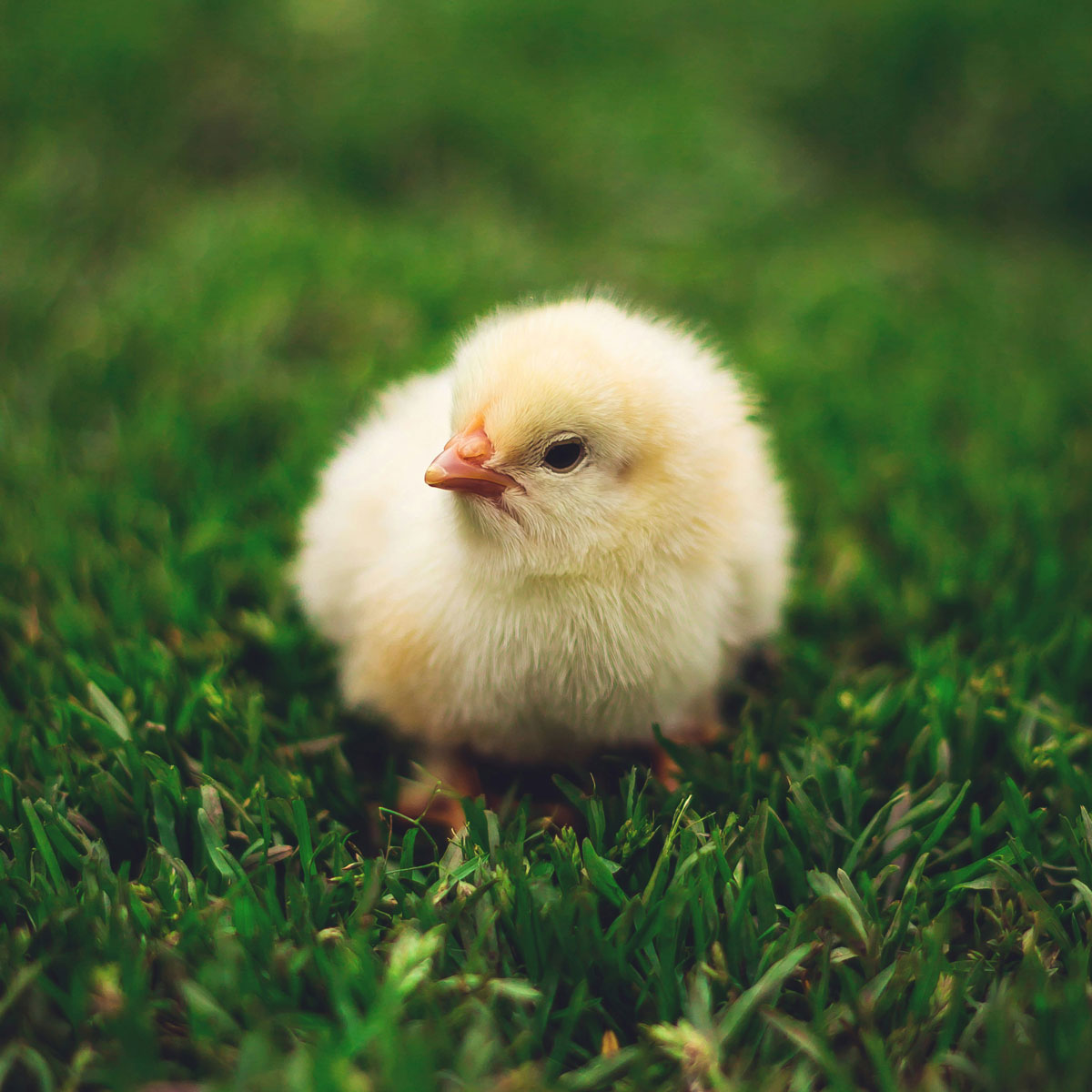

“But they looked perfectly healthy.” is a sentence muttered by many a broken-hearted chicken keeper looking at a flock of sick birds. Chickens almost always do look healthy. Since they are prey animals, and looking weak is not exactly a survival strategy, they hide illness incredibly well. A bird can be feeling terrible and still march around like it’s in tip-top shape. By the time symptoms become obvious, something contagious may already be spreading.
That’s why poultry sales, swaps, shows, and meets deserve a little extra thought when it comes to biosecurity. Before anybody panics, this is absolutely NOT me telling you to avoid poultry events or to lock your flock in a sterile bubble. Poultry events are fun! They’re where chicken people find each other, they’re full of great conversations, and they’re a great place to get your chicken fix and build a flock of different breeds with so many different birds available in one place.
Unfortunately, they can also be a way for disease to travel from flock to flock. Whomp, whomp.
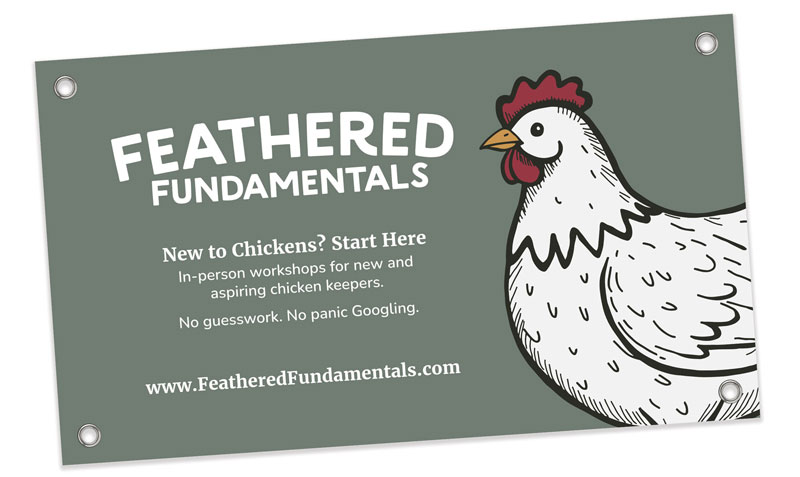
You may already know that I’m going to be at the poultry sale at Ross Farm Museum on May 23rd to talk about my Feathered Fundamentals workshops and answer chicken questions but, ahead of the sale, I wanted to share a few small habits and some information that can go a very long way toward protecting your birds – both the ones you already have and the ones you might buy while you’re there.
Why Poultry Events Carry Higher Risk
At poultry events, birds from many different flocks are gathered together in one space. Some come from large established breeding programs. Some come from tiny backyard coops. Some have excellent biosecurity. Some may not – you never really know.
On top of that, the birds themselves are stressed. Travel, handling, unfamiliar surroundings, noise, temperature changes, and crowded cages all put stress on a chicken’s immune system. Stress makes birds more vulnerable to illness and can also cause birds carrying disease to shed more actively and, unfortunately, disease does not need direct chicken-to-chicken contact to spread. It can hitch a ride on footwear and clothing, your hands, poultry equipment, dust and feathers, or vehicle tires.
Some illnesses spread incredibly easily. Some survive for surprisingly long periods in the right conditions. Some birds show little to no symptoms at all. That’s the frustrating part.
The upcoming poultry sale at Ross Farm Museum is requiring everyone entering and leaving the sale to use disinfectant foot baths, which is genuinely great to see. Foot baths help reduce the amount of contaminated manure, mud, and debris being tracked from different farms/homesteads and backyard flocks to the event. They are not a magical forcefield that eliminates all risk, but they are another solid layer of protection and good biosecurity is all about layers.
If you’re attending a poultry event, this one or any other:
• Do not handle birds that you are not purchasing, let the vendors show you what they have.
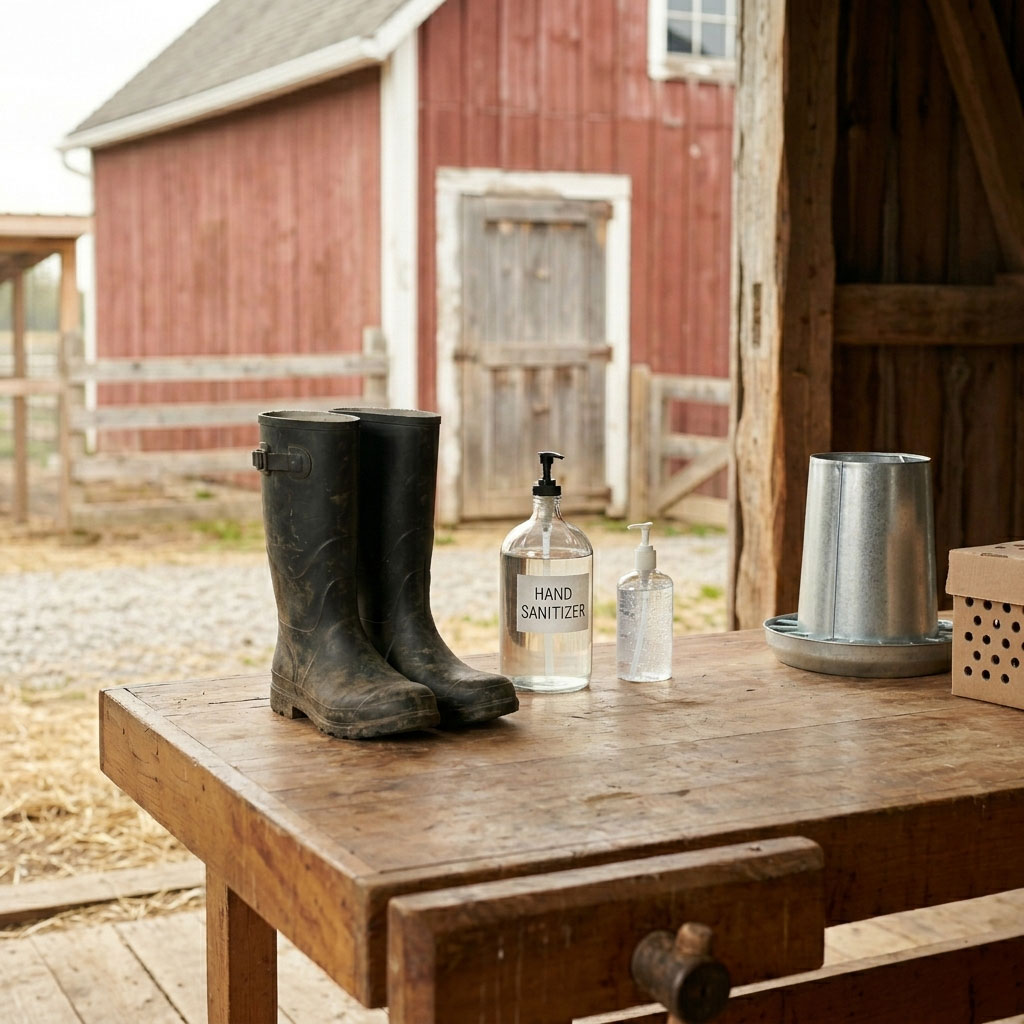
• Wear footwear that can be cleaned easily.
• Do not enter your coop wearing the same shoes afterward.
• Change clothes when you get home.
• Wash your hands thoroughly or use hand sanitizer as often as you can during the event.
• Do not purchase birds that appear unwell (these birds wouldn’t likely be at a sale anyway though).
If You’re Bringing New Birds Home
I know how tempting it is to tuck those new chickens straight into the coop so everyone can meet immediately but, potential injuries from not properly introducing them first aside, don’t do it! Any new bird should be quarantined completely separate from your flock. Even birds from trusted breeders. Even birds from friends. Even birds that “look perfectly healthy.”
Proper quarantine means:
• Separate housing as far from your flock as possible, not a crate in the corner of the run.
• No shared feeders or waterers.
• No shared tools or equipment.
• Separate footwear for the quarantine area.
• Caring for your established flock first and quarantined birds last.
Two weeks is the bare minimum to quarantine, thirty days is better. Honestly, I find things have a habit of starting to show up right around that two week mark. The longer the quarantine period, the more opportunity hidden illness has to reveal itself before it reaches your established flock.
While you’re quarantining, watch closely for:
• Sneezing.
• Gurgling or strange breathing sounds.
• Dirty nostrils (this can mean they have a runny nose!)
• Eye discharge or bubbles in the corner of the eye.
• Swollen faces, combs or wattles.
• Lethargy.
• Puffed-up feathers.
• Diarrhea or unusual droppings.
• Loss of coordination.
If you attend a poultry event with your birds as a vendor and then bring them back home afterwards, those birds should be quarantined too. Yes, even your own birds!
If You’re Purchasing Equipment
If you purchase used equipment at poultry events (or anywhere, really), before you use it make sure you:
• Wash it thoroughly.
• Disinfect it properly.
• Allow everything to dry completely before reuse, sit it out in the sun to dry if you can.
Moisture and manure are best friends of bacteria and viruses. Sunlight, fresh air, and dry conditions help reduce pathogen survival.
Biosecurity Isn’t About Fear
This post isn’t meant to scare or discourage you (or to make you skip attending poultry events!), and I really hope it doesn’t. It is impossible to protect your flock from every single thing out there and it’s unrealistic to expect to, even with the best biosecurity things sometimes slip past us. There are small, easy things we can do to help reduce risks for the birds we love so much though.
• Change your boots.
• Wash your hands.
• Quarantine new birds.
• Clean used equipment properly.
That’s it. Small habits repeated consistently that, together, create a safety net for your flock.
If you have any questions about biosecurity, please ask them in the comments or feel free to message me privately by email or on Facebook and ask – whatever you’d prefer.
Be Aware, but Have Fun!
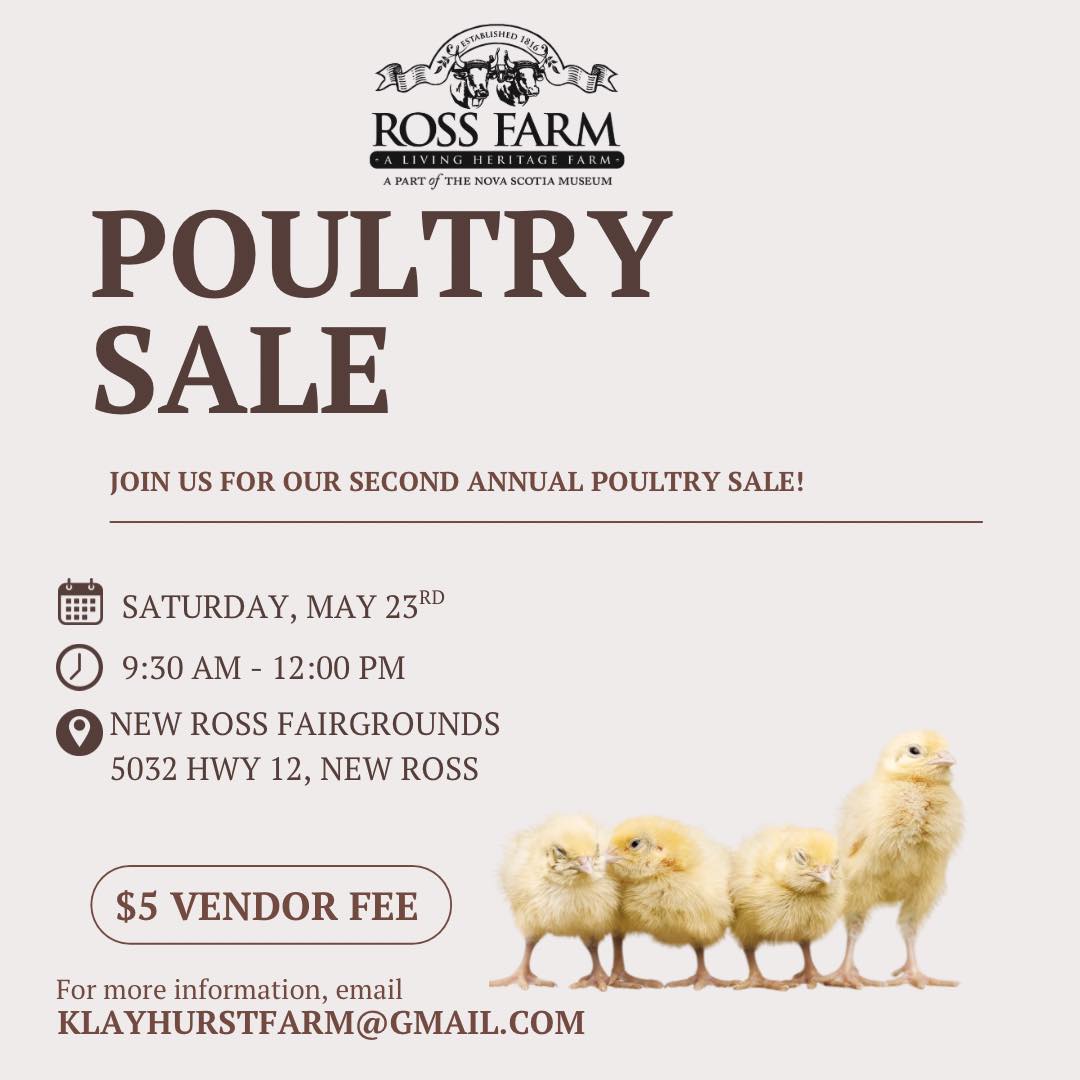
If you’re attending the poultry sale at Ross Farm Museum on May 23rd, have fun, do your best to resist buying twelve more chickens than you planned on buying (#chickenmath), and please stop by my table to say hello and tell me all about your chicken plans!
Look for this sign to find me: