Molting: What’s Happening to my Chickens?!

It’s fall. You’re minding your own business. One day your chickens are looking fluffy and fabulous. The next it’s like a feather pillow exploded in the coop! Your chickens have bare spots, and weird, spiky quills are poking out everywhere.
Don’t panic - they’re not sick. They’re just molting. It’s a totally normal phase where your birds shed old feathers to grow shiny new ones. Let’s talk about what’s happening, why it’s important, and how you can help your hens through their not-so-glamorous makeover.

Krystal
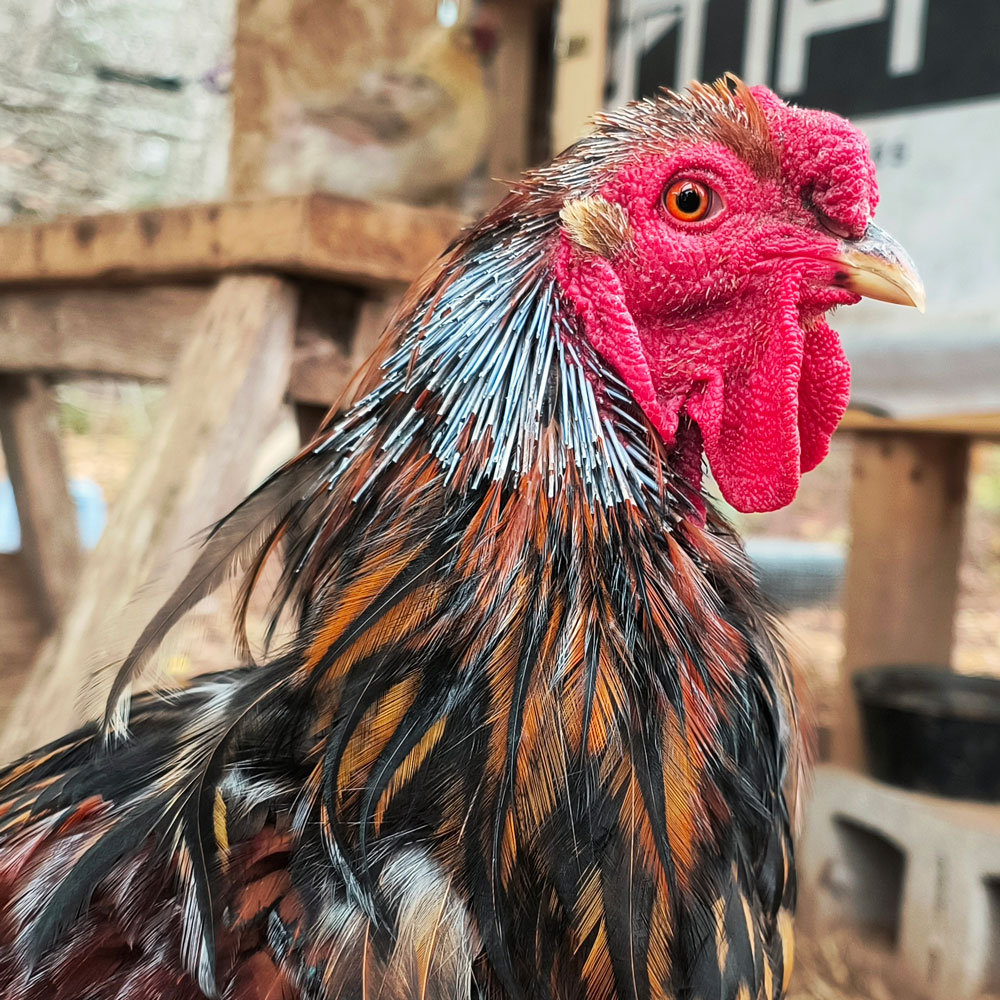
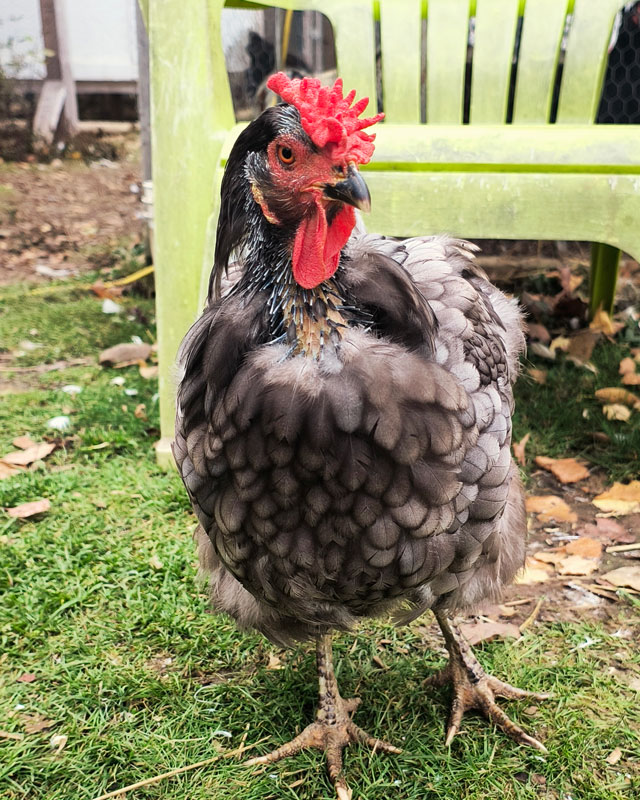
A rooster mid-molt with new feathers growing in.
A hen mid-molt with new feathers growing in.

What Is Molting, Anyway?


Molting is your chickens’ way of trading in last season’s wardrobe. Usually once a year, often in late summer or fall, chickens start losing old feathers and growing new ones. It’s their natural way to refresh their plumage before winter, keeping them warm and weather-ready.

While it can look a bit alarming (hello, patchy necks and bald spots), molting is a perfectly healthy process. During this time, chickens usually stop or greatly slow down egg production because their bodies are putting energy into growing feathers instead of laying eggs.

In my experience, most chickens have less energy while they’re molting – which makes sense since they’re putting so much effort into growing feathers. They’re tired, lay around a lot, and don’t have the usual zest for life they usually do.

Why Do Chickens Molt?

A few things can trigger a molt:

Seasonal change: Shorter daylight hours often start the process.
Age: Most chickens molt for the first time around 12–18 months old.
Stress: Extreme heat, a change in flock dynamics, or even moving coops can occasionally trigger a mini-molt.

Think of it like chicken self-care – a built-in reset button that gets their feathers in top shape again.

Tips for Helping Your Chickens During Molt

Boost Their Protein

Feathers are made mostly of protein, so your hens may need a little extra to regrow them. Some people switch from a layer feed to a higher-protein feed (around 18–20%) but I don’t like to mess with feed so, instead, I offer protein-rich snacks like scrambled eggs, meat and mealworms.

Don’t Handle Them

Those new pin feathers coming in are sensitive! Try to avoid too much cuddling and let them have their space. If your chickens insist on being held, try to avoid the areas where you can see pin feathers emerging.

Minimize Stress

Try not to make big changes during molt. No new flock members, no coop renovations, and definitely no long road trips in chicken crates. Calm, consistent routines help them recover faster.

Provide A Cozy Shelter

Molting chickens can feel chilly, especially if they lose feathers during cooler months. Their coop should already be draft-free and dry with plenty of clean bedding, but this is especially important during molt.

Don’t Panic About the Eggs

It’s totally normal for egg laying to slow down or even stop for a few weeks. Once their new feathers are in and daylight hours increase again, they’ll pick back up.

If you live in a place with very short winter days – like I do in Nova Scotia – your hens may not resume laying until the days get longer in spring. Mine tend to slow down in September and, especially, October, and then stop completely in November. Usually in March, the days are long enough for them to start laying again.

When to Worry

If your chicken seems weak, has bare patches that aren’t filling in after several weeks, or if you notice mites or lice, it might be something other than a regular molt. Give them a close inspection and treat for pests if needed – and if you’re unsure, a quick chat with a poultry-savvy vet can help set your mind at ease.

The Bottom Line

Molting might look messy, but it’s a good sign your flock is healthy and doing what nature intended. Give them a little extra protein, keep stress low, and let them strut through their awkward phase in peace. Before you know it, they’ll be back to looking like the supermodels of the coop – feathers, attitude, and all.


Leave a Comment

What Past Workshop Attendees Are Saying

You don’t have to take my word for it. Here’s what people who have attended Feathered Fundamentals have said about the experience.

Posted on Google Google
Ryan Barton profile picture
Ryan Barton
Google star 1Google star 2Google star 3Google star 4Google star 5Trustindex verifies that the original source of the review is Google.
Krystal is a great instructor, very friendly and approachable. Her organization and information is impressive
Posted on Google Google
Ashlyne Bigg profile picture
Ashlyne Bigg
Google star 1Google star 2Google star 3Google star 4Google star 5Trustindex verifies that the original source of the review is Google.
Awesome class! The information is priceless! Very inclusive environment and great for beginners through to well seasoned chicken keepers! Highly recommend!
Posted on Google Google
Felicia Mercer profile picture
Felicia Mercer
Google star 1Google star 2Google star 3Google star 4Google star 5Trustindex verifies that the original source of the review is Google.
We moved to the local area and got chickens pretty quickly. Even though I had done a lot of researching and had already been keeping chickens a good while I learned so much! It was also beyond beneficial to have genuine local information on climate considerations, predators, suppliers, vets, community, etc. What you receive both in knowledge and thus confidence, the guidebook and materials, and also time spent with others doing the same thing, it really is an investment that gives you a lot more in return! Highly Recommend Feathered Fundamentals
Posted on Google Google
Melanie Norris profile picture
Melanie Norris
Google star 1Google star 2Google star 3Google star 4Google star 5Trustindex verifies that the original source of the review is Google.
Very informative and helpful, this was a wonderful workshop to attend! Definitely recommend this if you are new to keeping chickens
Posted on Google Google
W Edwards profile picture
W Edwards
Google star 1Google star 2Google star 3Google star 4Google star 5Trustindex verifies that the original source of the review is Google.
Highly recommended! Lots of great information from a very knowledgeable person. Krystal is friendly, experienced and presents the class so even newbies can follow, inviting questions at any time as well as great conversations. Very pleased I attended.
Posted on Google Google
Christie Chaplin-Saunders profile picture
Christie Chaplin-Saunders
Google star 1Google star 2Google star 3Google star 4Google star 5Trustindex verifies that the original source of the review is Google.
What a great opportunity to learn from a knowledgeable, committed and generous leader. Krystal's preparation and guidebook are amazing. This course provides exceptional value, not only to those of us who participated, but also to the broader community, since we are better prepared to avoid mistakes, keep our birds healthy and help others do the same.
Posted on Google Google
Amanda McNeil profile picture
Amanda McNeil
Google star 1Google star 2Google star 3Google star 4Google star 5Trustindex verifies that the original source of the review is Google.
The workshop was awesome! The workbook is extensive, a great resource. But even more, Krystal's deep knowledge of chicken keeping and her willingness to share the her knowledge of the local chicken community, where to get everything from chicks, to supplies, and chicken care, really gave me a lot of confidence that I have the ability and resources now to care for my new flock.
Verified by Trustindex
Trustindex verified badge is the Universal Symbol of Trust. Only the greatest companies can get the verified badge who has a review score above 4.5, based on customer reviews over the past 12 months. Read more

Chicken Care Resources

Recent Blog Posts

The learning doesn’t have to stop when the workshop ends. Here you’ll find chicken-care information, local resources, and practical answers to questions that come up before and after you bring your birds home.

Nova Scotia Chicken Breeder Directory

Nova Scotia Chicken Breeder Directory

March 23, 2026

Finding chickens locally shouldn’t feel like a gamble. Here’s a list of real, established Nova Scotia breeders - plus a few tips to help you avoid scams and bring home your flock with confidence.

Where to Find Local, Handmade Chicken Goods

Where to Find Local, Handmade Chicken Goods

July 19, 2026

A roundup of local makers and small producers selling handmade goods for your flock.

Nova Scotia Waterfowl & Gamebird Breeder Directory

Nova Scotia Waterfowl & Gamebird Breeder Directory

July 10, 2026

Finding poultry locally shouldn’t feel like a gamble. Here’s a list of real, established Nova Scotia breeders - plus a few tips to help you avoid scams and bring home your flock with confidence.